
RISING TIDE CONFERENCE - 2026 UPDATE
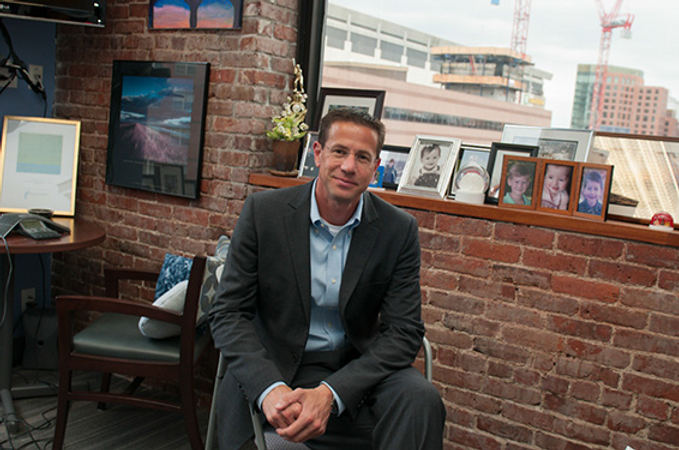
Dr. Ablon at Pathways to Prevention — Banff, October 2026
Dr. Stuart Ablon is among the presenters at the 4th International Pathways to Prevention Symposium, hosted by Hull Services in Banff this October. This is one of the most concentrated gatherings of trauma and behavior science expertise available to clinicians and educators — and Rising Tide is proud to send our community there.
J. Stuart Ablon, PhD.
Director, Think:Kids · Massachusetts General Hospital · Harvard Medical School
As seen on TEDx
Dr. J. Stuart Ablon is the director of Think:Kids in the Department of Psychiatry at Massachusetts General Hospital and an associate professor at Harvard Medical School. For over two decades, he has been one of the leading researchers and advocates for a fundamentally different way of understanding challenging behavior in children, adolescents, and adults.
His core premise — "kids do well when they can, not just when they want to" — reframes what we often interpret as willful defiance as a skills deficit problem. Children who struggle with inflexibility, frustration tolerance, problem-solving, or emotional regulation aren't choosing to be difficult. They're lacking the cognitive and emotional skills to do better. And that means the solution isn't more pressure, more consequences, or more control. It's skill-building and genuine collaboration.
This approach, Collaborative Problem Solving (CPS), has been implemented in schools, residential treatment facilities, juvenile justice settings, psychiatric units, and family systems around the world. The research base is robust: CPS consistently outperforms traditional behaviorist approaches in reducing challenging behavior while improving the quality of relationships between caregivers and the children in their care.
Dr. Ablon is the author of Changeable: How Collaborative Problem Solving Changes Lives at Home, at School, and at Work and co-author (with Dr. Ross Greene) of foundational research on the CPS model. He is also the host of the popular podcast The Manage Your Mind Podcast, which brings the science of behavior and cognition to a broad audience.
His work sits at the intersection of trauma-informed care, developmental psychology, and systems change — making him a particularly powerful voice for practitioners working across school, clinical, and family settings.